
Carpooling in India: How It Works, Cost & Is It Legal?
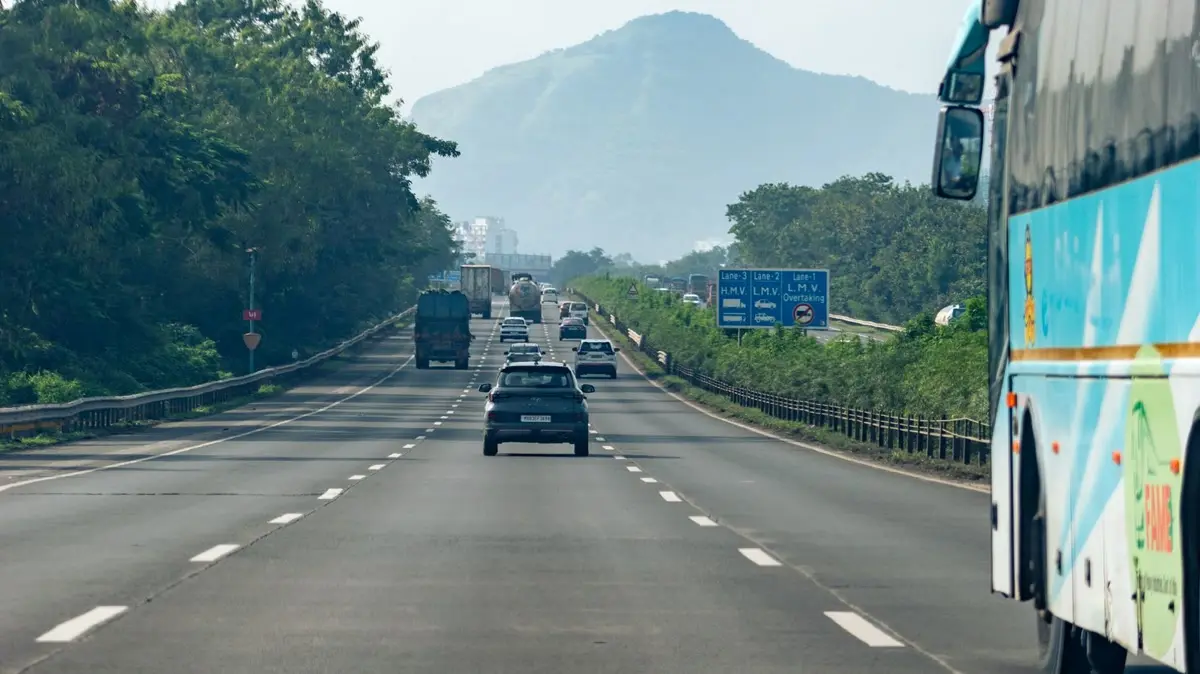
Every morning, most cars on Indian roads carry one person. The driver is going to work, and three seats travel empty. Carpooling fills those seats with people going the same way, and the fuel bill is split between everyone in the car.
This guide covers what carpooling is, how it works in India, what it saves, and the questions people ask before their first ride.
What carpooling means
Carpooling, or car pooling, is sharing a car with people who are making the same trip, and sharing what the trip costs to run: fuel, and tolls where there are any.
The driver is an ordinary commuter making a journey they were making anyway. They are not a driver for hire and they do not earn a fare. The people who ride pay a share of the cost, not a price for the trip.
The same idea works on two wheels. A bike pool shares the pillion seat of a scooter or motorcycle.
Carpool vs cab vs bike taxi
- A cab or bike taxi is a paid service. A company sets the fare, a driver works for a living, and the company takes a commission.
- A carpool is commuters sharing one trip. There is no fare and no commission. The rider pays the driver a share of the fuel, directly.
That is why a carpool usually costs much less than a cab for the same route. It also means one car on the road instead of two or three.
How carpooling works on ZoinZo
1. Drivers post their trip: from where, to where, what time, how many seats, and the share of fuel they are asking for. A daily commute can be set to repeat every weekday.
2. Riders search their route and see who is driving that way and when, with the driver's photo, vehicle and ratings.
3. The rider requests a seat, and the two can chat in the app before they meet.
4. After the ride, the rider pays the driver directly, over UPI or cash. ZoinZo takes no cut.
Finding and offering rides is free.
What carpooling saves
Here is the arithmetic for a common city commute:
- A 40 km round trip in a petrol hatchback uses about 2.7 litres, at the 15 km a litre owners report in city traffic.
- With petrol at around ₹105 to ₹115 a litre in most big cities, that is about ₹280 to ₹310 a day.
- Over 22 working days, roughly ₹6,200 to ₹6,800 a month.
- Shared between four people, about ₹1,500 to ₹1,700 each.
Each city guide below works this out with that city's petrol price and a real route.
Is carpooling legal in India?
Sharing the running cost of a trip you are making anyway, with no profit, is what carpooling is, and it is how ZoinZo works: drivers ask for a share of the cost, never a fare.
Carrying passengers in a private car for hire or profit is different. That is a commercial transport service, which needs a commercial permit. The Motor Vehicle Aggregator Guidelines of 2020 let state governments allow pooling in private cars through apps, and the rules differ from state to state, so check your state's transport department if you are unsure.
The simple rule: ask for a fair share of the fuel and tolls, not more.
Staying safe in a carpool
- Look at the profile first. Name, photo, vehicle and ratings from earlier rides are shown before you book.
- Chat before you meet, in the app, and agree on the pickup point and time.
- Share your trip with family or a friend.
- Women can choose Pink Rides, which only women can offer and only women can book.
- Use your own judgement. ZoinZo does not run background checks, so you decide who you ride with.
Carpooling city by city
Each guide covers the commutes, the costs with that city's petrol price, and local tips.
- Carpool in Delhi NCR: Delhi, Gurugram and Noida
And for two-wheelers:
You can also see every city on ZoinZo, with the rides open there now.
Questions people ask

ZoinZo
answers commuters' questions